
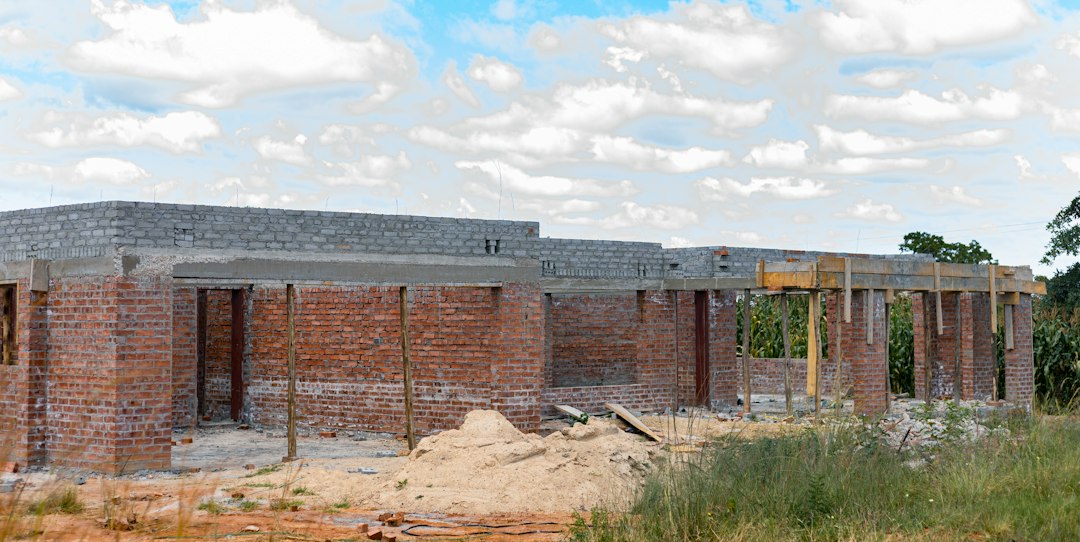
The Future of Construction: Trends in Building Materials Today
As the construction industry evolves, so do the materials that are used to build our homes, offices, and infrastructure. The future of construction is being shaped by innovative building materials that not only enhance durability but also promote sustainability. This article explores the latest trends in building materials, focusing on how they can transform the construction landscape and improve overall efficiency.
Innovative Sustainable Materials
One of the most significant trends in building materials today is the shift towards sustainable options. Materials such as bamboo, recycled steel, and reclaimed wood are gaining popularity due to their lower environmental impact. These materials not only reduce waste but also offer unique aesthetic qualities that can enhance the design of any structure.
Additionally, advancements in technology have led to the development of bio-based materials, which are derived from natural sources. These materials, such as mycelium and hempcrete, are not only sustainable but also provide excellent insulation properties. By incorporating these innovative materials, builders can create structures that are both eco-friendly and energy-efficient.
Smart Materials and Technology Integration
The integration of smart technology into building materials is another trend that is reshaping the construction industry. Smart materials can respond to environmental changes, such as temperature and humidity, allowing for more adaptive and efficient buildings. For instance, phase-changing materials can absorb and release heat, helping to regulate indoor temperatures without relying heavily on HVAC systems.
Moreover, the use of sensors embedded in building materials can provide real-time data on structural integrity and environmental conditions. This data can be invaluable for maintenance and safety, allowing for proactive measures to be taken before issues arise. As technology continues to advance, the potential for smart materials in construction will only grow.
3D Printing and Prefabrication
3D printing is revolutionizing the way buildings are constructed, offering a level of precision and customization that traditional methods cannot match. This technology allows for the rapid production of building components, reducing waste and construction time. Companies are now able to print entire structures using concrete and other materials, which can significantly lower labor costs and increase efficiency.
In addition to 3D printing, prefabrication is becoming increasingly popular in the construction industry. By manufacturing building components off-site and assembling them on-site, builders can streamline the construction process. This method not only saves time but also minimizes disruptions to the surrounding environment, making it a preferred choice for many projects.
Focus on Energy Efficiency
Energy efficiency is a critical consideration in modern construction, and building materials play a significant role in achieving this goal. Insulation materials, such as spray foam and rigid foam boards, are essential for minimizing energy loss in buildings. These materials help maintain comfortable indoor temperatures while reducing reliance on heating and cooling systems.
Furthermore, the use of energy-efficient windows and doors can greatly enhance a building’s overall performance. Low-emissivity (Low-E) glass, for example, reflects heat while allowing natural light to enter, contributing to energy savings. As energy costs continue to rise, the demand for energy-efficient building materials will only increase.
Step-by-step plan:
Step 1: Research the latest trends in building materials to stay informed. Step 2: Evaluate the sustainability of materials before making purchasing decisions. Step 3: Consider integrating smart technology into your building projects. Step 4: Explore 3D printing and prefabrication options to enhance efficiency.